

Your belly fat isn't a willpower problem — it's a chronic stress problem
|
|
Time to read 6 min
|
|
Time to read 6 min
If you've tried everything and the belly fat still won't budge, this is why.
Chronic stress triggers five specific biological mechanisms that store fat in your midsection — and most of them have nothing to do with how much you eat. In this issue, I break down each mechanism with the research behind it, and explain exactly which levers actually move the needle.
The five mechanisms:
1. Cortisol — your stress hormone is driving fat storage
2. Insulin resistance — the engine behind stubborn weight gain
3. Leptin resistance — eating when you're not actually hungry
4. Fatty liver — the silent driver most people never address
5. Late-night eating — disrupting hormones while you sleep
Here's a pattern I see repeatedly in the research on chronic stress and body composition: people who are eating reasonably, exercising consistently, and still cannot lose belly fat.
The conventional answer is almost always the same — eat less, move more. But that advice ignores an enormous amount of science about what chronic stress actually does to your hormones, your metabolism, and your fat cells.
Chronic stress belly fat is not a character flaw. It is a physiological response — one that is well-documented and, more importantly, addressable. The problem is that most people are never given the full picture of why it happens.
What follows is that full picture.
Most people have heard that cortisol is the stress hormone. Fewer people understand what elevated cortisol actually does at the tissue level.
When you are under chronic stress — whether from work, poor sleep, inflammatory food, or any sustained physiological pressure — your hypothalamic-pituitary-adrenal (HPA) axis stays activated. Your adrenal glands keep producing cortisol. And research consistently shows that chronically elevated cortisol is associated with weight gain, specifically in the visceral (abdominal) region.
Here is what the research tells us about why:
This is not about cortisol being the villain. Your body needs cortisol — it is essential for morning energy, immune regulation, and stress response. The problem is chronically elevated cortisol with no recovery. That is the pattern that drives chronic stress belly fat.
If cortisol is the trigger, insulin resistance is the engine.
Elevated cortisol consistently raises blood glucose and, in turn, insulin. When insulin is chronically elevated, your cells become desensitized to its signal — a condition called insulin resistance. And insulin resistance is the defining feature of stubborn fat accumulation, particularly in the midsection.
What makes this especially significant is that insulin resistance can be present for years — even decades — before a formal diagnosis of type 2 diabetes. The weight gain, the fatigue, the cravings, the brain fog: these are all downstream effects of unmanaged insulin resistance, often long before a doctor flags anything on a standard panel.
The research on natural compounds here is genuinely compelling:
All four of these compounds — curcumin, resveratrol, EGCG, and berberine — have published evidence showing they help reduce obesity-induced insulin resistance through plant-based, AMPK-activating pathways. These are not fringe supplements. This is peer-reviewed science.
The Metabolic Pack from MSW Nutrition includes Zen — an adaptogenic formula with Rhodiola, Ginseng, Eleuthero, Schisandra, and bovine adrenal glandular support — specifically designed to help your body regulate cortisol and protect adrenal health.
Leptin is produced by your fat cells. Its job is to suppress appetite and signal to your brain that you have enough stored energy. In a well-functioning metabolism, leptin keeps you from overeating.
But here is the problem: when cortisol is chronically elevated and insulin resistance is established, leptin resistance typically follows. Your brain stops responding to leptin's signals. The result is that you keep eating past the point your body actually needs fuel — not because of a lack of willpower, but because the hormonal feedback loop is broken.
What the research shows:
This is why fasting is such a powerful tool. Fasting lowers insulin, which allows leptin to normalize, which restores appetite regulation — without any pharmaceutical intervention. It is one of the most evidence-backed, cost-effective metabolic resets available.
One in four people worldwide has non-alcoholic fatty liver disease (NAFLD). The number may actually be closer to one in three. And there is no pharmaceutical treatment for it — doctors can only diagnose it and tell you to change your diet.
The connection to belly fat is direct and bidirectional. Obesity increases NAFLD risk. NAFLD accelerates insulin resistance. Insulin resistance drives more fat storage. More fat storage worsens liver function. The cycle compounds.
The research is unambiguous:
Supporting liver detoxification is not optional for anyone dealing with chronic stress belly fat — it is foundational. The liver is the primary organ for metabolizing hormones, processing dietary fats, and regulating blood glucose. When it is overloaded, everything downstream is affected.
Late-night eating is one of the most underestimated contributors to chronic stress belly fat — and one of the most actionable things to change.
The research on meal timing is clear:
The mechanism is partly melatonin-related. As melatonin rises in the evening, glucose tolerance decreases. Eating a large meal when melatonin concentrations are elevated — typically within 2.5 hours of bedtime — produces a measurably worse metabolic response than eating the same meal earlier in the day.
Practically: eat earlier, eat less at night, and let your body do what it was designed to do during sleep — repair, detoxify, and regulate hormones.
Now that you understand the five mechanisms, here is what the evidence points to for actually addressing them:
This is not about perfection. It is about lowering the chronic load on your hormonal system — consistently, over time. The biology responds when you give it the right inputs.
1. Cortisol and Weight Gain — HPA Axis and Obesity Review — https://pmc.ncbi.nlm.nih.gov/articles/PMC9285588/
2. Visceral Adipose Tissue, 11β-HSD1, and Metabolic Syndrome — https://pmc.ncbi.nlm.nih.gov/articles/PMC4517681/
3. Natural Polyphenols and Obesity-Induced Insulin Resistance (Curcumin, Resveratrol, EGCG, Berberine) — https://pmc.ncbi.nlm.nih.gov/articles/PMC12872655/
4. Leptin, Leptin Resistance, and Obesity — https://pmc.ncbi.nlm.nih.gov/articles/PMC8167040/
5. Fatty Liver (NAFLD) and Obesity — https://pmc.ncbi.nlm.nih.gov/articles/PMC3575093/
6. Nighttime Eating and Weight Gain — https://pmc.ncbi.nlm.nih.gov/articles/PMC6322536/
7. Nighttime Macronutrient Intake and Insulin Resistance — https://pmc.ncbi.nlm.nih.gov/articles/PMC4425165/
8. Meal Timing, Late Dinner, and Weight Loss Difficulty — https://pmc.ncbi.nlm.nih.gov/articles/PMC6893547/
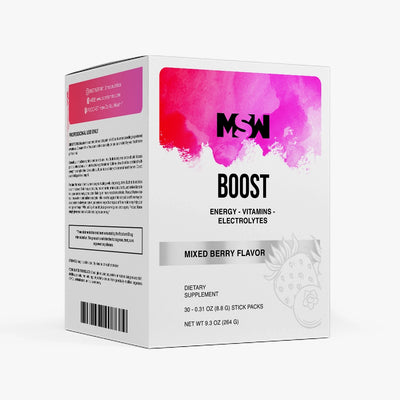
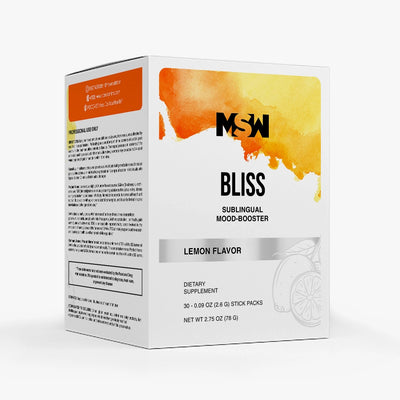
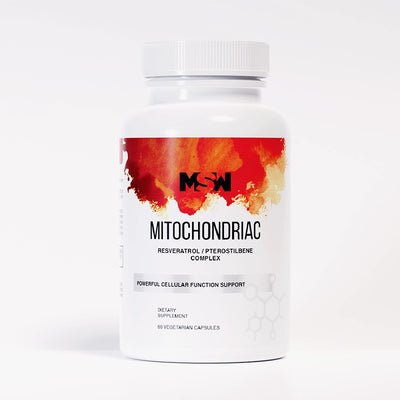
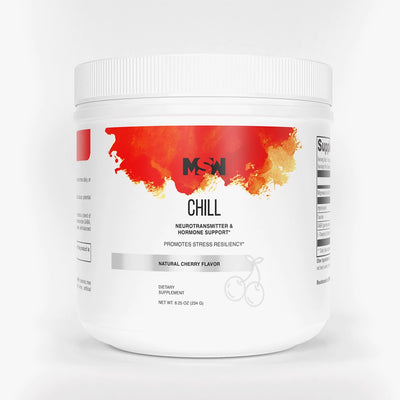
Supplements designed to support exactly what you just read