

By Baldomero Garza, Co-Founder, MSW Nutrition
If your weight climbs, your mood swings, and your energy tanks in the days before your period, you are not imagining it and it is not a willpower problem. Underneath all three symptoms often sits one imbalance: estrogen dominance. It is not simply "too much estrogen" — it is a breakdown in how your body makes, uses, and clears estrogen, and the research points to four root causes most standard visits never check.
What estrogen dominance actually means
Estrogen isn't a single hormone. Your body runs on several forms — estradiol (E2) in your reproductive years and estrone (E1) later on — and their balance with progesterone is what keeps a cycle feeling smooth. Estrogen dominance describes a relative excess of estrogen compared with progesterone, or a shift toward the more inflammatory forms of estrogen over the protective ones.
That matters because estrogen does far more than reproduction. Research links healthy estrogen to steadier blood sugar and insulin sensitivity, stronger bones, cardiovascular protection, and serotonin support for a more stable mood. When the balance tips, you don't feel it in one place — you feel it everywhere. If you want the bigger picture on hormone imbalance, our guide on why your hormones are off breaks down the root causes.
Why weight, mood, and energy crash together
Three different systems, one shared driver:
- Weight. Estrogen helps regulate insulin. Studies show it is associated with lower plasma glucose and insulin, so when it's off, blood sugar swings more, cravings intensify, and your body stores fat more readily. (More on that in the insulin–energy connection.)
- Mood. Estrogen supports serotonin, and sharp shifts in neurosteroids like allopregnanolone — and their effect on GABA — are strongly implicated in the mood changes of PMS and PMDD.
- Energy. Cortisol naturally runs higher in the first half of your cycle. When that rhythm is dysregulated, it drags on your energy, sleep, and resilience — which is why the pre-period crash feels so bottomless.
Reason 1 & 2: your gut runs your estrogen
Here's what standard advice skips. Your ovaries don't manage estrogen alone — your gut does a huge share of the work. A community of bacteria called the estrobolome produces an enzyme, β-glucuronidase, that decides how much estrogen you reabsorb versus excrete. When digestion stalls — think chronic constipation, or the aftermath of repeated antibiotics — that clearance system falters and estrogen recirculates instead of leaving the body.
This is also why so much of a healthy cycle is downstream of daily, complete bowel movements. If estrogen has no exit, balance is hard to hold.
Reason 3 & 4: an inflamed liver can't keep up
Estrogen is metabolized in the liver through a two-phase process, and the liver is also where environmental xenoestrogens — estrogen-mimicking compounds from plastics, pesticides, and some personal-care products — get neutralized and cleared. A sluggish, overloaded, or fatty liver simply can't keep pace with the demand, and inflammatory estrogens build up. Because the gut and liver work as a pair, supporting them early pays off for years — well into perimenopause and menopause.
Get this research in your inbox every Tuesday
Evidence-based hormone, gut, and metabolism breakdowns — no fluff.
Subscribe Free →5 ways to support a healthier cycle this week
- Feed the estrobolome. Fiber and fermented foods (sauerkraut, kimchi, miso, kefir) support the gut bacteria that regulate estrogen clearance.
- Keep things moving. Daily, complete bowel movements are one of the most underrated levers for estrogen balance.
- Lighten the liver's load. Dial back alcohol and ultra-processed food, hydrate, and support your detox pathways.
- Steady your blood sugar. Anchor meals with protein and fiber and go easy on refined carbs, especially in the second half of your cycle.
- Fuel energy the clean way. Trade the afternoon sugar-and-caffeine spiral for something that supports energy production instead of borrowing against it.

Feel your energy again — the clean way
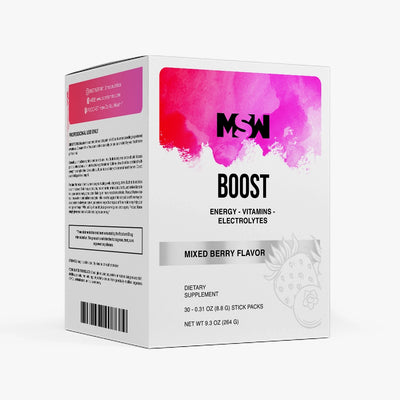
When your hormones shift before your period, energy is the first thing to crash. Boost is the multivitamin you can actually feel — methylated B12, electrolytes, and antioxidants including S-acetyl-L-glutathione, plus built-in liver detox support. One stick, clean slow-release energy, zero sugar. Right now: Buy 2, Get 1 Free through July 31.
Try Boost — $100 →
Since your liver is where estrogen and xenoestrogens actually get cleared, giving it real detox support is one of the most direct moves you can make for a healthier cycle.
👉 Get Liver Boost by MSW Nutrition →References
- Altered sensitivity to hormonal fluctuations in PMS
- GABA and allopregnanolone in PMS/PMDD
- Cortisol across the follicular vs. luteal phase
- Estrogen, glucose, and insulin
- Ovulatory disturbances and progesterone
- Xenoestrogens, phytoestrogens, and cancer risk
- The estrobolome and gut microbial β-glucuronidase
- Estrogen metabolism and the sulfate pathway
Frequently asked questions
What is estrogen dominance?
Estrogen dominance is a relative imbalance where estrogen is high compared with progesterone, or where inflammatory forms of estrogen outweigh the protective ones. It reflects how the body makes, uses, and clears estrogen — not just how much is present.
What causes estrogen dominance?
It usually builds from several everyday factors: xenoestrogen exposure, a low-fiber diet, chronic stress, repeated antibiotics, and a heavy liver load — all of which tax the gut and liver systems that regulate estrogen.
Can your gut affect estrogen?
Yes. A group of gut bacteria called the estrobolome produces β-glucuronidase, an enzyme that determines how much estrogen you reabsorb versus excrete. Poor digestion and antibiotics can disrupt it, causing estrogen to recirculate.
How does the liver affect estrogen?
The liver metabolizes estrogen in two phases and clears environmental xenoestrogens. When it's inflamed or fatty, it can't keep up, and inflammatory estrogens accumulate.
What are the signs of estrogen dominance?
Common signs include worsening PMS, pre-period weight gain and bloating, mood swings, irritability, low energy, and heavy or painful periods — often clustered in the days before menstruation.
How can I support healthy estrogen levels naturally?
Focus on gut and liver health: eat fiber and fermented foods, keep bowel movements regular, limit alcohol and ultra-processed foods, steady your blood sugar, and support your liver's detox pathways.
P.S. Estrogen dominance isn't a character flaw — it's a system that lost its balance, and systems can be rebalanced. Start with your gut and liver this week, and give your body clean fuel. Grab the Boost Buy 2, Get 1 Free offer →